舞妓さん、
いつもどうしているの
Maiko, what do you usually do?

Kyoto dialect
In Kyoto, there is a word called "hannari," which I think is one of the most famous Kyoto dialects that is somewhat understood nationwide, second only to "bubuzuke demo do...
Kyoto dialect
In Kyoto, there is a word called "hannari," which I think is one of the most famous Kyoto dialects that is somewhat understood nationwide, second only to "bubuzuke demo do...
Whole Love Kyoto and KYOTO T5 are working together to increase the number of people connected to Kyoto's traditional culture.
All products
-
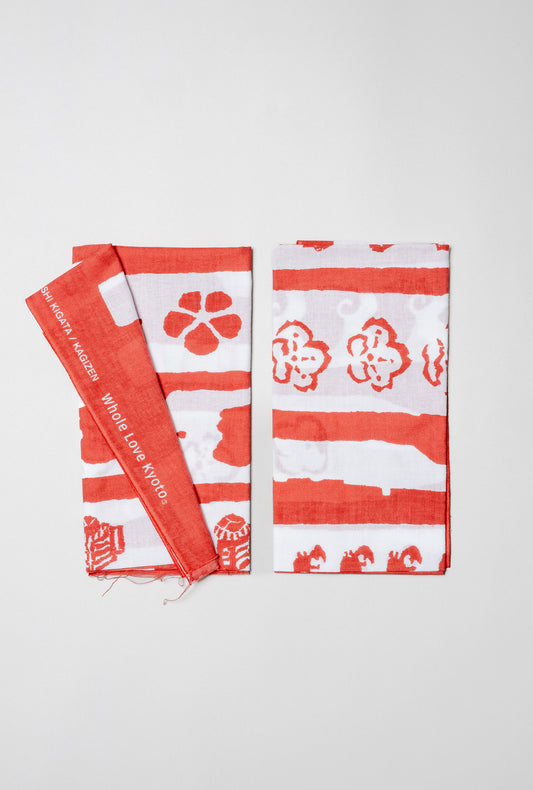
TENUGUI_KASHIKIGATA _red (Japanese sweets wooden mold)
Regular price ¥70.00Regular price -
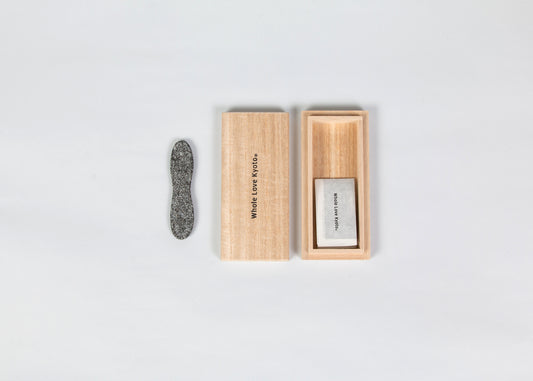
ICE CREAM GIFT (spoon)_KYOISHI-KOUGEI (Kyoto stone crafts)
Regular price ¥651.00Regular price -
ICE CREAM GIFT (spoon)_KASHIKIGATA (Japanese sweets wooden mold)
Regular price ¥374.00Regular price -
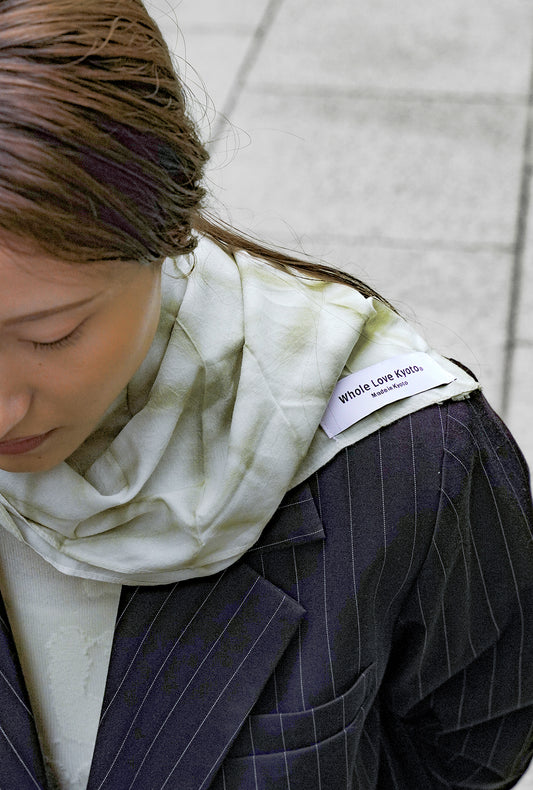
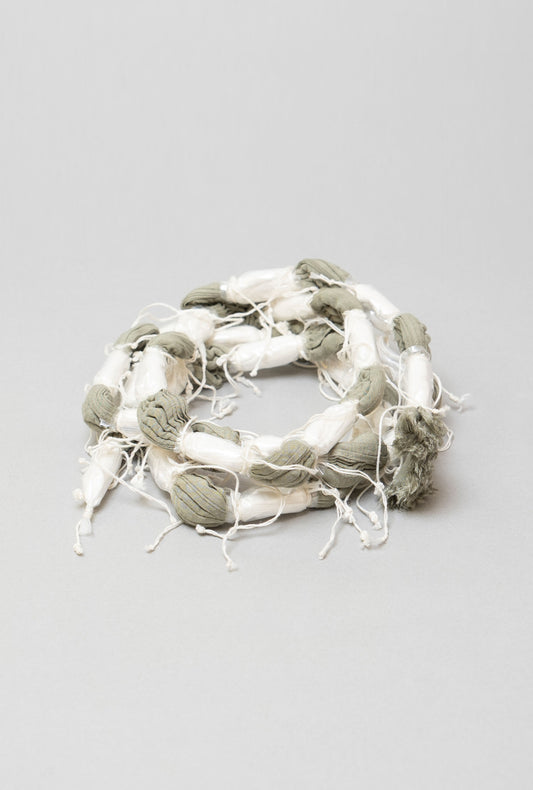
TOCHU SEKKA-SHIBORI (tie‐dyed)_Stole (sage green)
Regular price ¥1,111.00Regular price -
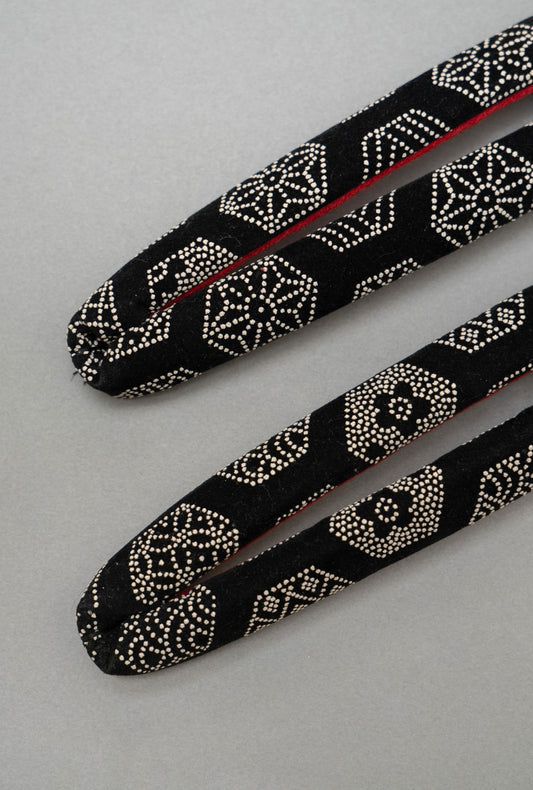
HANAO_Standard_ROKKAKU (hexagon)
Regular price From ¥221.00Regular price -
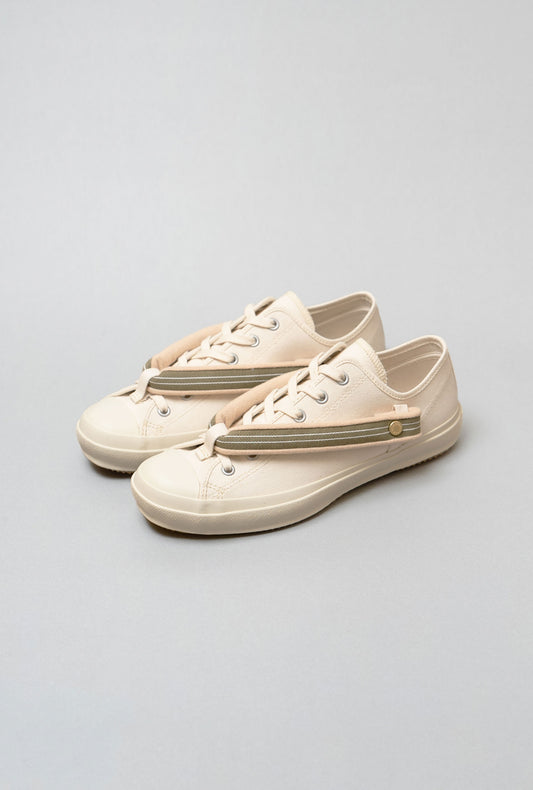
HANAO SHOES_KYOSANADAHIMO (sanada braid)_stripe / willow brown
Regular price ¥1,259.00Regular price -
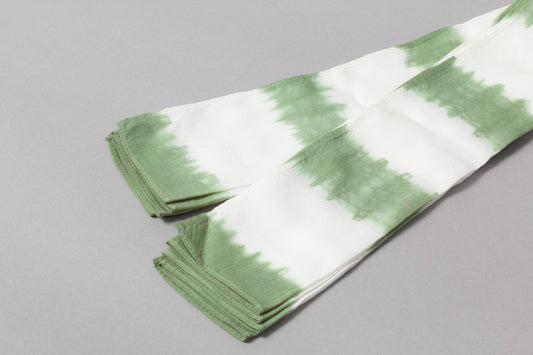
TOCHU YOKODAN-SHIBORI (tie‐dyed)_Stole (sage green)
Regular price ¥1,389.00Regular price -
HANAO SHOES_KYOORIMONO (fabric)_HANASUSUKI (blue)
Regular price ¥1,441.00Regular price -
HANAO_Standard_Leather (Brown)
Regular price From ¥265.00Regular price -
HANAO SHOES_MINO TSUTSUBIKI HONZOME (mino tsutsubiki hand-dyeing)_purple
Regular price ¥1,259.00Regular price -
HANAO SHOES_KYOSANADAHIMO (sanada braid)_pink
Regular price ¥1,259.00Regular price -
HANAO SHOES_ISEMOMEN (Ise cotton)_purple
Regular price ¥1,302.00Regular price