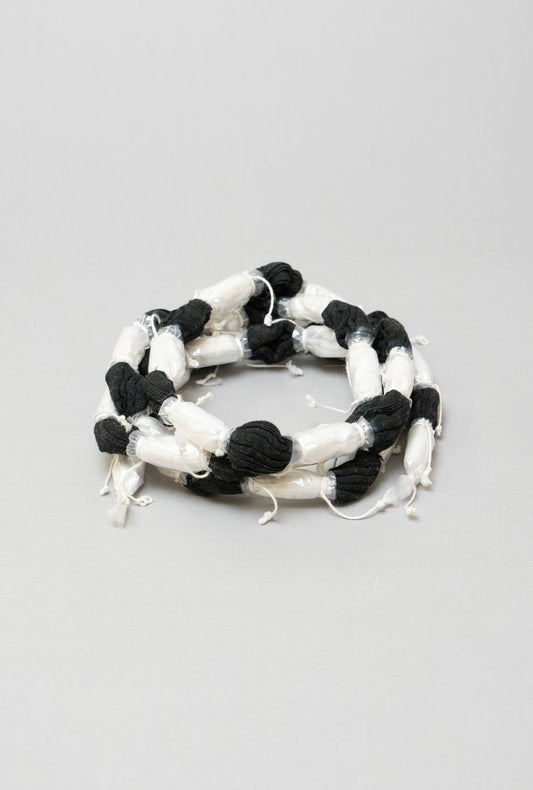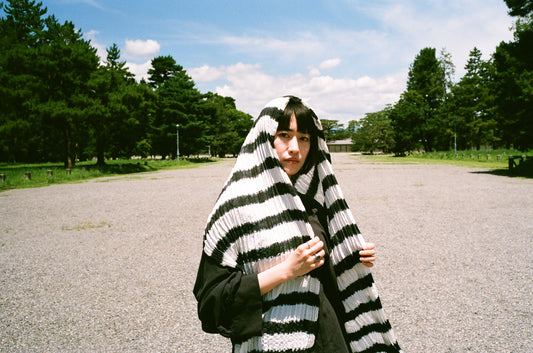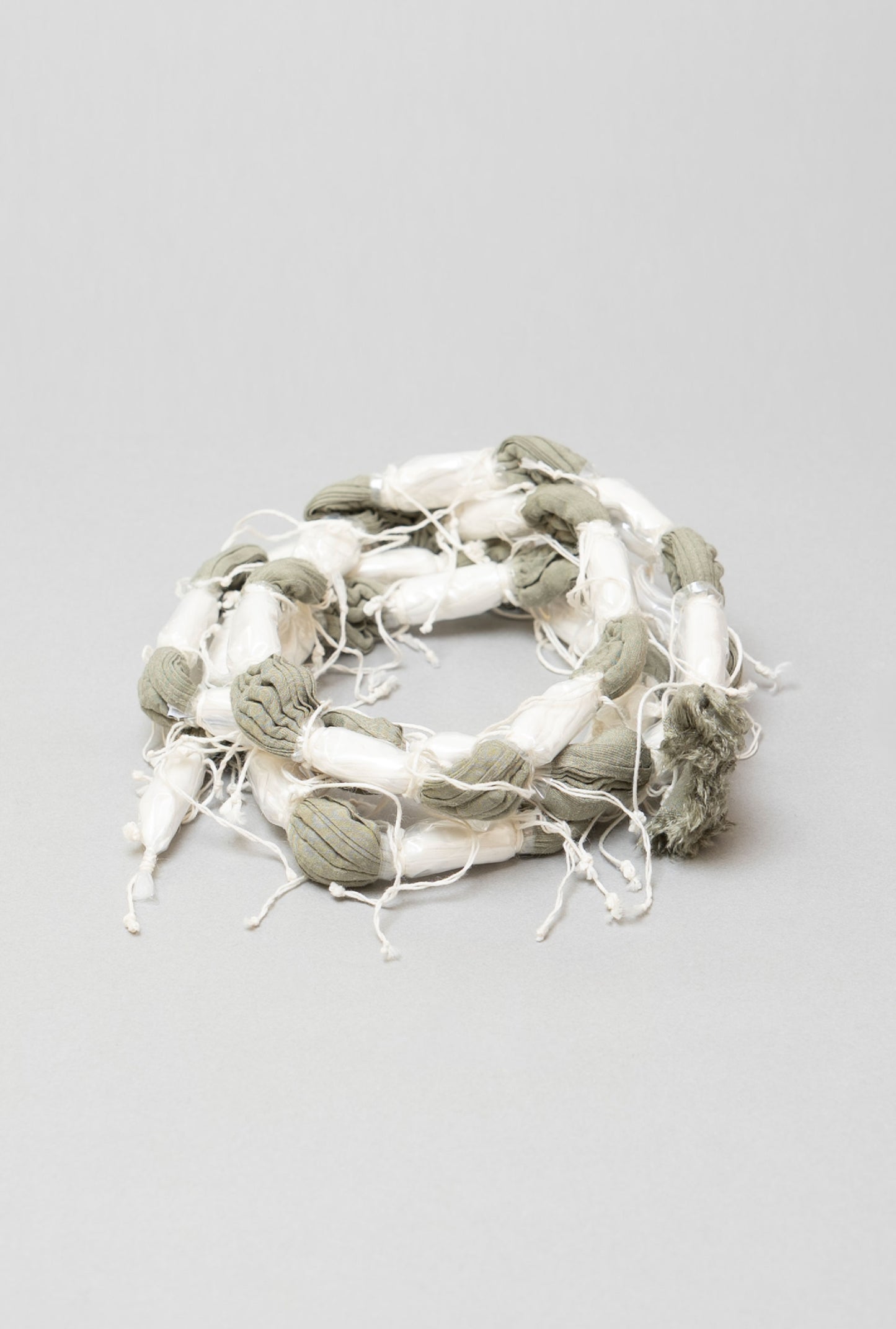
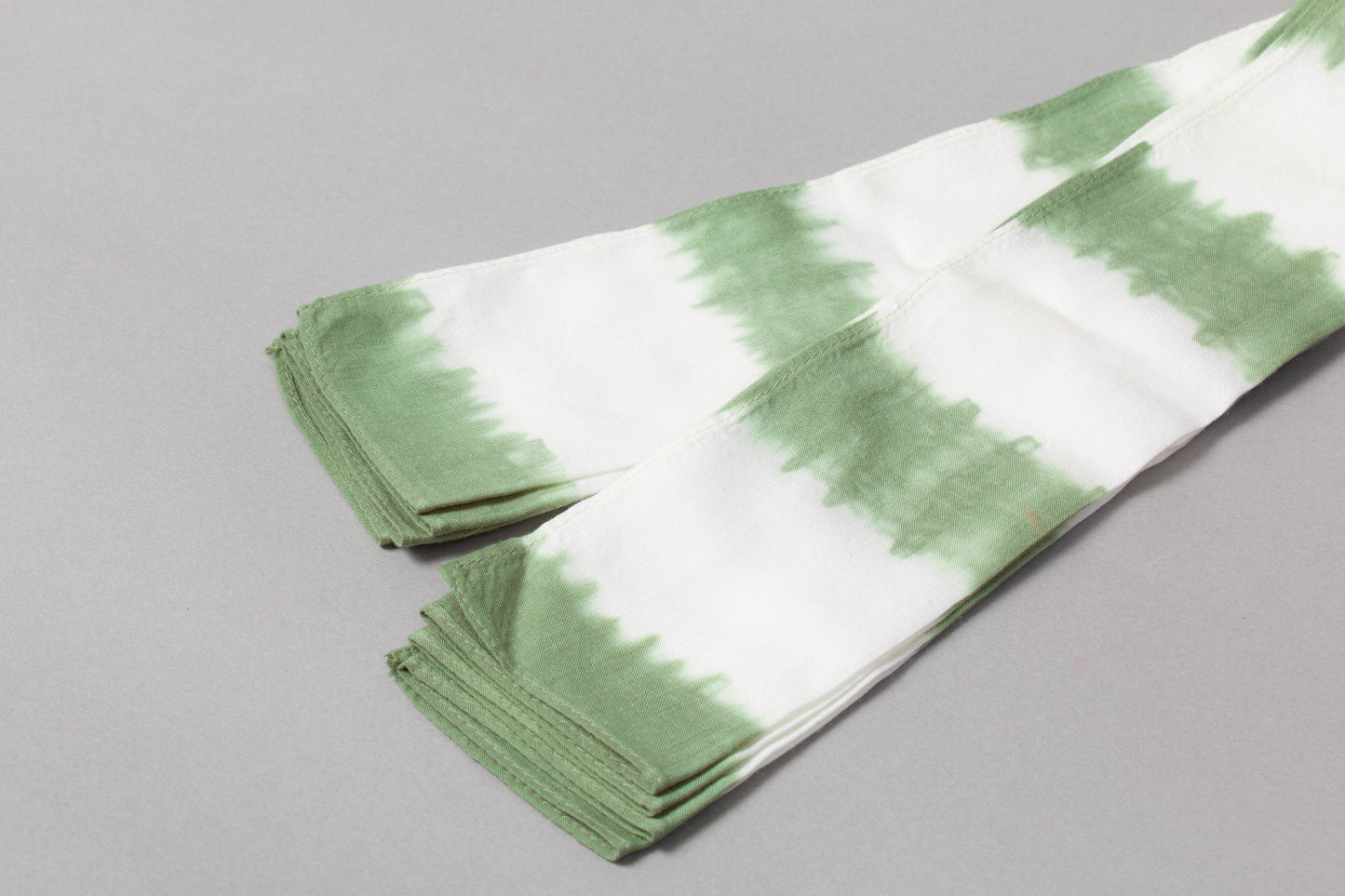
TOCHU YOKODAN-SHIBORI (tie‐dyed)_Stole (sage green)
Couldn't load pickup availability
Share

Collapsible content
Materials: Miura Shibori, Tesuji Shibori, Itajime Shibori
Soft Silk
> Lyocell 84%
> Silk 16%
Lyocell is a regenerated fiber made from wood pulp, such as eucalyptus.
It features an elegant luster like silk, a smooth feel, and beautiful drape.
It is highly absorbent and breathable, and its strength does not easily decrease when wet, making it a durable and shrink-resistant material.
It also has properties that prevent static electricity.
Silk is a natural fiber derived from silkworm cocoons.
Its appeal lies in its pearl-like luster and supple, soft texture.
It is highly absorbent and moisture-releasing, and woven from fine threads, it achieves a light and smooth feel.
material
Modal Silk Chambray
>Modal 90%
>Silk 10%
・Modal is a type of rayon, but unlike other types of rayon, it is made from beech wood pulp. Therefore, it is regarded as a synthetic fiber that coexists with nature because it is made without producing harmful waste.
・Silk is an animal fiber from cocoons made by silkworms and has a smooth texture.
The combination of these two fibers gives the fabric an elegant luster and a loose, beautiful movement that is comfortable to wear. This fabric is ideal for wearing as a scarf or stole.
“In the process"(tochu) of traditional crafts
Collaboration with Tabata Shibori
Tabata Shibori / Established 19 years ago
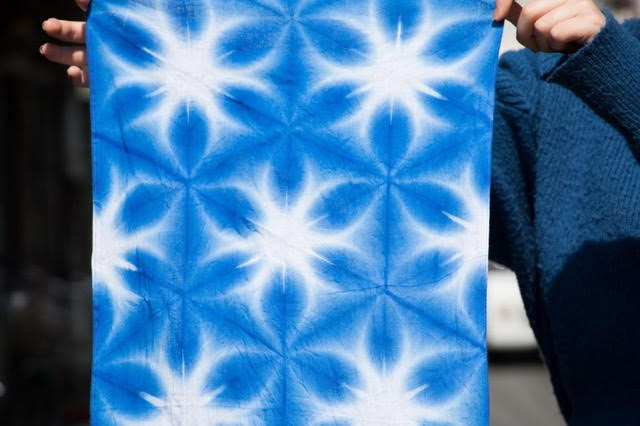
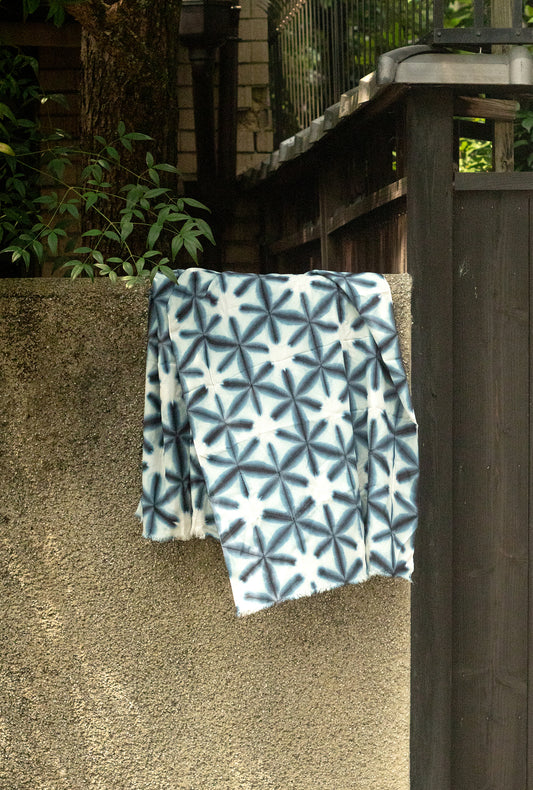
TOCHU uses the tie-dye technique. This is a dyeing technique that creates a pattern by tying or pressing a part of the cloth to create a dyed pattern by dyeing only that part of the cloth.
There are over 100 different dyeing techniques. Each has a completely different dyeing process and each is made by hand with the delicate techniques of craftsmen. This is a collaboration with "Tabata Shibori", a craftsman of Kyoto Kanoko-shibori (shibori).
Yokodan Shibori
Refining techniques
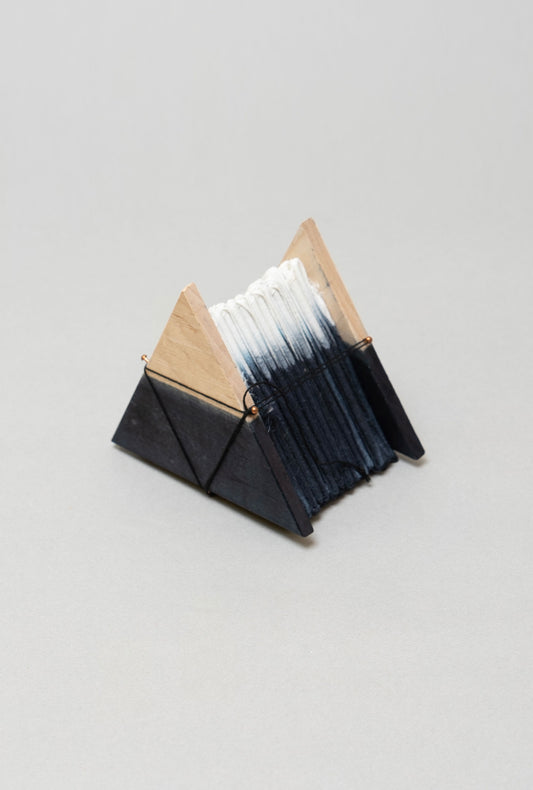
The "tesuji shibori" technique involves carefully creating fine pleats in fabric and then wrapping them with thread to tie-dye the fabric.
It is characterized by the delicate and vibrant striped patterns that appear when the fabric is unfurled.
Itajime shibori
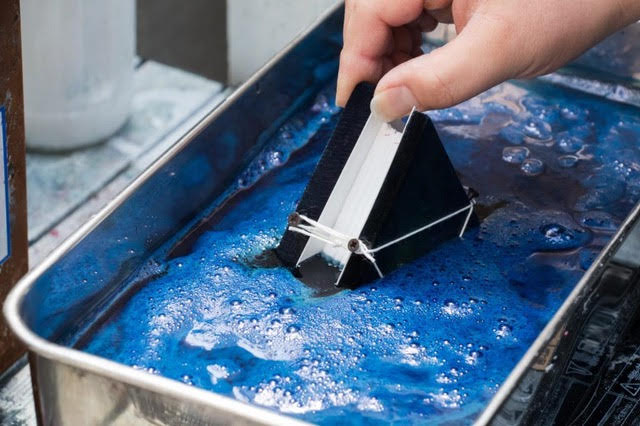
The "itajime shibori" technique creates patterns by folding fabric between two square boards (型板 - kataban, "pattern boards") and dyeing it.
By dyeing the outer edges of the squares to prevent the dye from penetrating the center, a checkered pattern is produced.
Sekka Shibori
Striped tie-dye
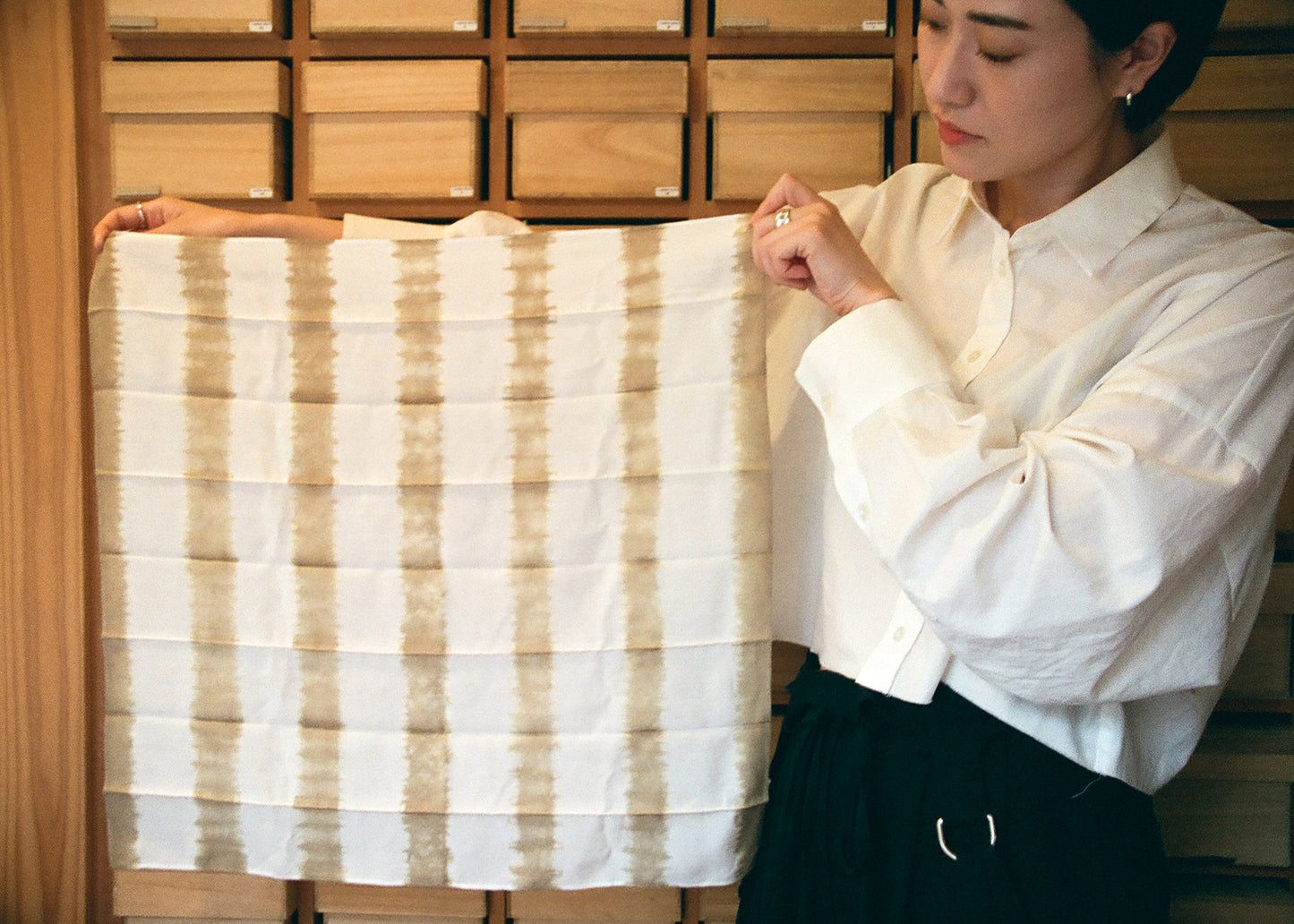
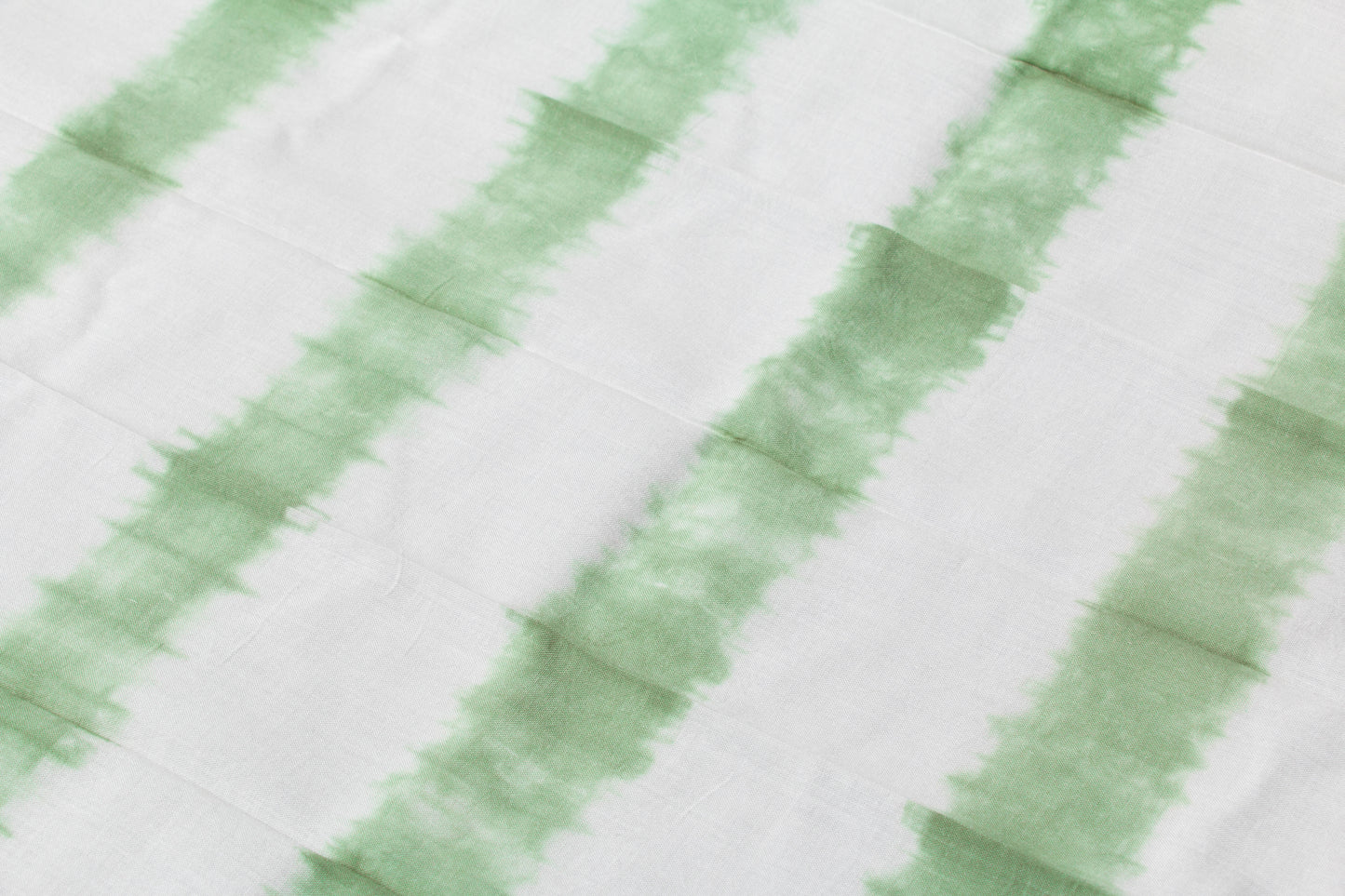
Horizontal Stripe Shibori is a technique where the fabric is folded into eight (mountain and valley folds), threads are tied at equal intervals, and every other section is resist-dyed without tying to create the stripes.
Since the borders are created using the shibori technique, the lines are not as perfectly straight as one might imagine for a typical border, but instead have a charming, slightly textured appearance that retains the unique feel of shibori.
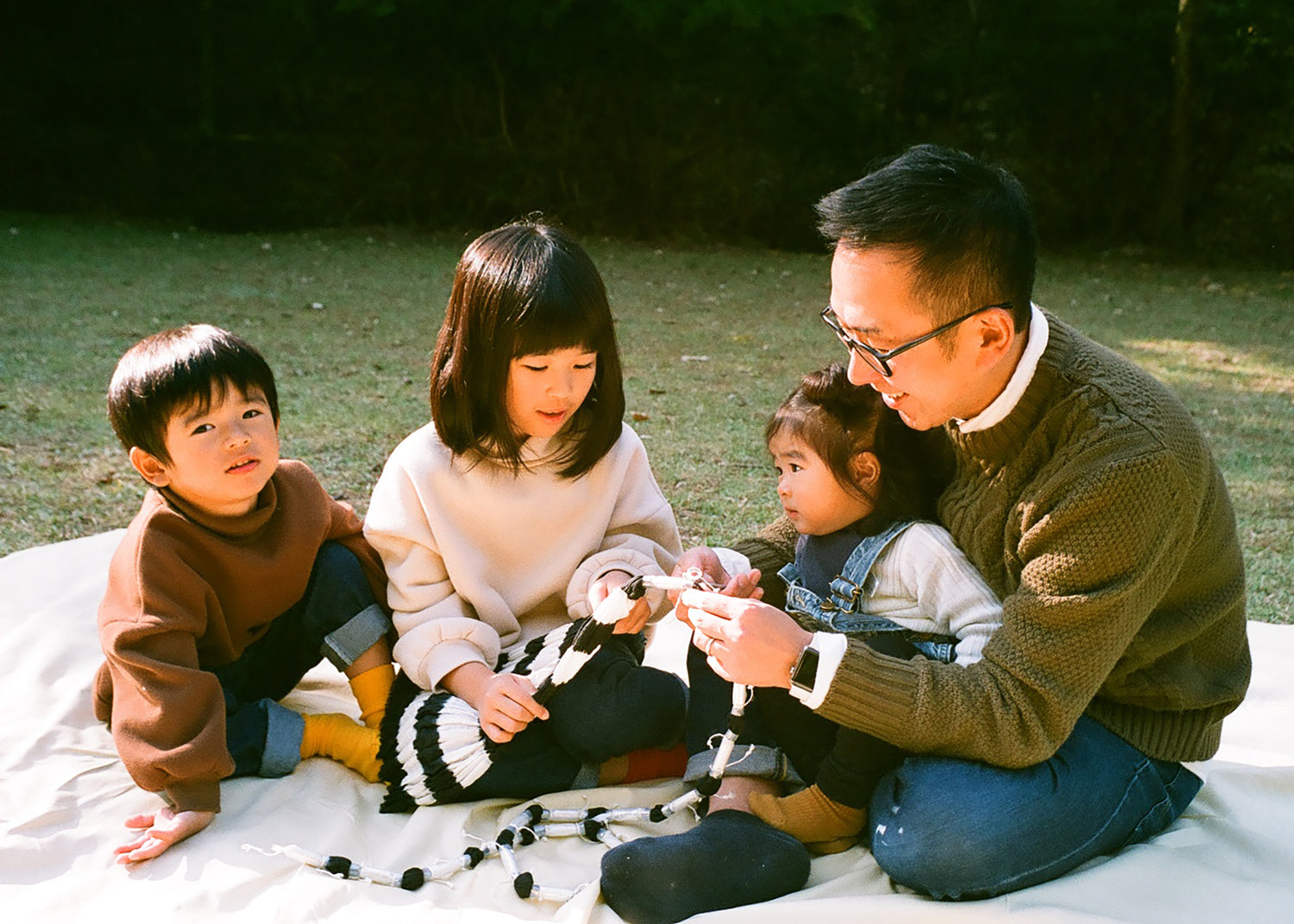
For you and your loved ones.
TOCHU
-
TOCHU SEKKA-SHIBORI (tie‐dyed)_Stole
Regular price ¥27,000Regular priceSale price ¥27,000 -
TOCHU SEKKA-SHIBORI (tie‐dyed)_Stole
Regular price ¥14,850Regular priceSale price ¥14,850 -
TOCHU SEKKA-SHIBORI (tie‐dyed)_Stole
Regular price ¥27,000Regular priceSale price ¥27,000 -
TOCHU SEKKA-SHIBORI (tie‐dyed)_Stole
Regular price ¥14,850Regular priceSale price ¥14,850 -
TOCHU SEKKA-SHIBORI (tie‐dyed)_Stole
Regular price ¥27,000Regular priceSale price ¥27,000 -
TOCHU SEKKA-SHIBORI (tie‐dyed)_Stole
Regular price ¥14,850Regular priceSale price ¥14,850 -
Sold outTOCHU SEKKA-SHIBORI (tie‐dyed)_Stole
Regular price ¥25,300Regular priceSale price ¥25,300Sold out -
Sold outTOCHU SEKKA-SHIBORI (tie‐dyed)_Scarf
Regular price ¥9,900Regular priceSale price ¥9,900Sold out -
TOCHU YOKODAN-SHIBORI (tie‐dyed)_Stole
Regular price ¥31,680Regular priceSale price ¥31,680